

Library
Reads that change how you think about facility risk.
Capital timing, deferred maintenance, pilot delivery, and what better facility decision-making actually looks like — explained plainly for the people making the calls.
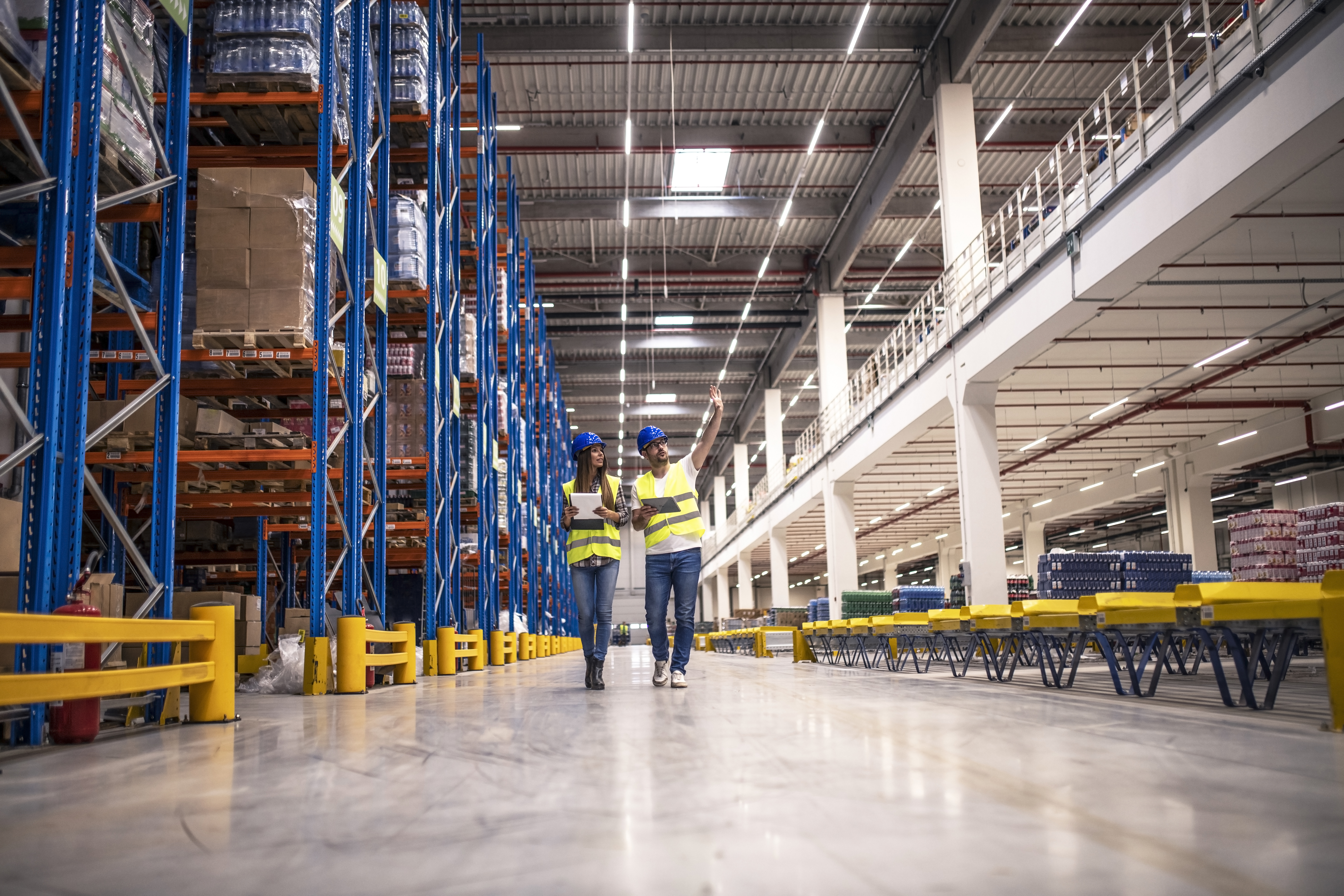
New writing for operators, planners, and finance teams.
The library now covers buying motion, CMMS rollout, backlog triage, deferred maintenance cost, pilot delivery, and board-ready capital planning.

How Facilities Teams Build Board-Ready Capital Requests
The best capital requests do not start with age alone. They connect consequence, timing, cost of delay, and the exact decision leadership is being asked to fund.

What a 30-Day CMMS Rollout Should Look Like
The first 30 days should end with one usable facility, live work orders, recurring PMs, and technician habits strong enough to keep going.
Why Deferred Maintenance Turns Into Emergency Spend
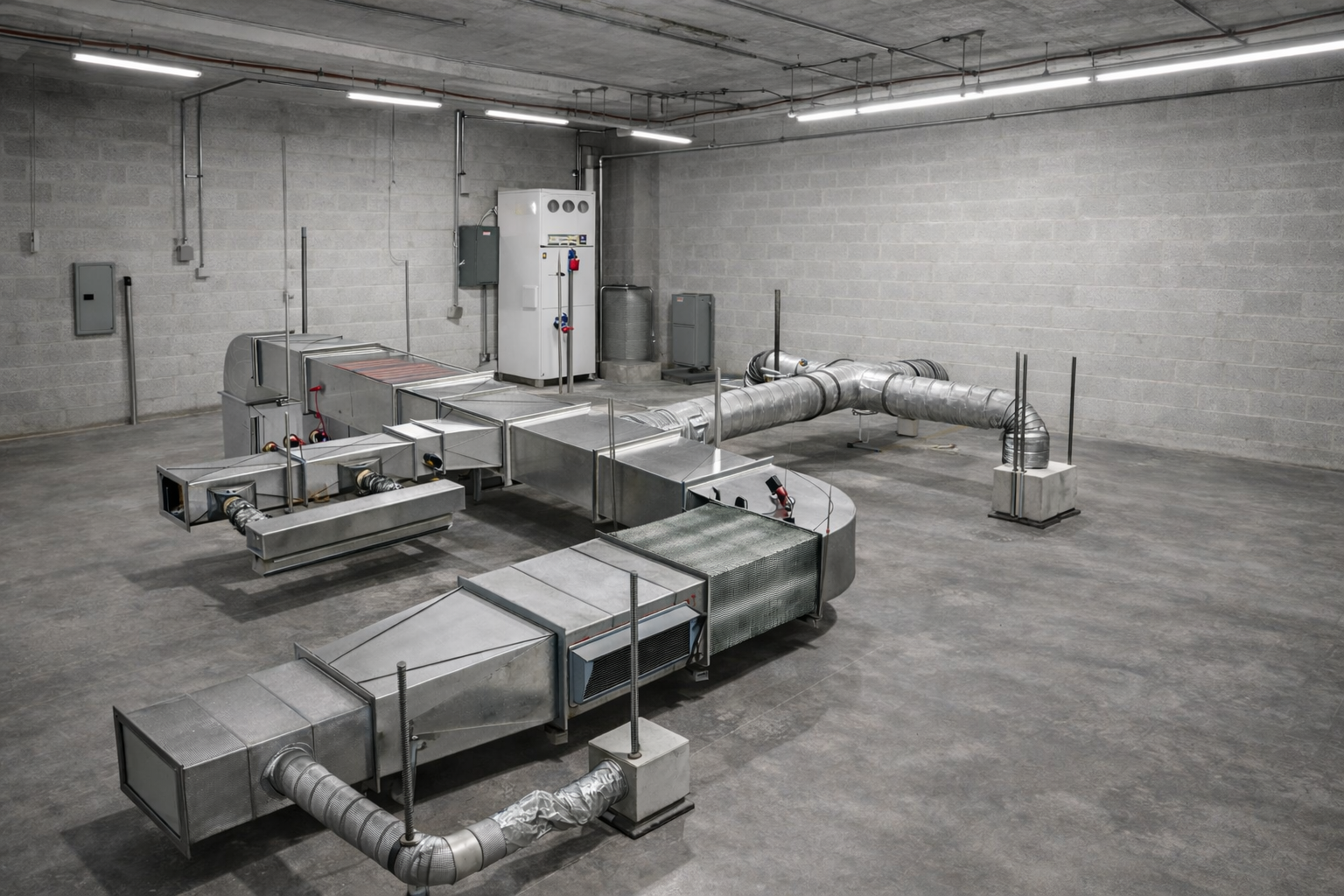
Most emergency replacements are not expensive because the asset failed. They are expensive because the team lost control over timing, labor, procurement, and operational disruption all at once.
Filter the library by the question you are trying to answer.
Use the filters below to jump straight to rollout questions, capital planning logic, cost-of-delay framing, or the buying path between CMMS and guided intelligence.
How Facilities Teams Build Board-Ready Capital Requests
The best capital requests do not start with age alone. They connect consequence, timing, cost of delay, and the exact decision leadership is being asked to fund.
What a 30-Day CMMS Rollout Should Look Like
The first 30 days should end with one usable facility, live work orders, recurring PMs, and technician habits strong enough to keep going.
Why Deferred Maintenance Turns Into Emergency Spend
Most emergency replacements are not expensive because the asset failed. They are expensive because the team lost control over timing, labor, procurement, and operational disruption all at once.
How Facilities Teams Triage Backlogs Without Losing the Week
Backlog triage is not about pretending every ticket is urgent. It is about making the next few moves obvious and protecting the week from noise.
What a 90-Day Facility Pilot Should Actually Deliver
A good pilot should not feel like a soft sales process. It should leave the buyer with real outputs, a clearer decision path, and enough evidence to decide what comes next.
Hospital Deferred Maintenance: Turning Survey Risk Into a Funded Plan
In a hospital, deferred maintenance is not a budgeting footnote. It is a clinical and regulatory risk that compounds quietly until a survey or a failure forces the conversation.
How Universities Get Ahead of a Deferred Maintenance Backlog
Most campuses are not short on deferred maintenance data. They are short on a defensible way to decide which building gets funded first, and why.
Preventing Data Center Downtime: A Risk-Based Approach to Power and Cooling
Most data center outages do not start with a surprise. They start with a known dependency that degraded quietly while the runbook still assumed day-one conditions.
Facility Capital Planning for School Districts: From Backlog to Bond
School districts rarely lack maintenance needs. They lack a way to show the board which projects protect students and instruction first, and what waiting will cost.
Reducing Unplanned Downtime: Scheduling Maintenance Around Planned Outages
Every plant has a maintenance window. The question is whether your most important work happens inside it, or during the outage you did not choose.
Prioritizing Municipal Infrastructure: Defending Capital to Council and Taxpayers
Public capital is scrutinized in a way private capital is not. The plans that get funded are the ones that can show why each dollar goes where it does.
Managing Aging Water Infrastructure Under Consent Decrees and Rate Pressure
The pipe that breaks on Monday was deteriorating for a decade. The utilities that get ahead of it are the ones that can see the risk before the failure.
Grid Reliability: Getting Ahead of Transformer and Substation Failure Risk
A transformer that fails in July does not wait for your October budget. Reliability comes from seeing the risk before peak season, not after.
Senior Living Survey Readiness: Protecting Residents Through Better Maintenance Planning
In senior living, a temperature or power failure is not a maintenance ticket. It is a resident-safety event, and the survey will ask how you saw it coming.
Cold Chain Risk Management: Protecting Inventory Before It Becomes a Claim
In a cold storage facility, the refrigeration system is not infrastructure that supports the product. It is the product, and its failure is measured in lost inventory.
Managing HVAC and Refrigeration Across Hundreds of Retail Locations
With hundreds of stores and thousands of rooftop units, the hard part is not fixing what breaks. It is knowing which unit breaks next.
Airport and Transit Facility Capital Planning for 24/7 Infrastructure
When millions of passengers depend on systems that run around the clock, there is no convenient time for a failure, and almost no maintenance window to prevent one.
Protecting GMP Facilities: The Infrastructure Risk Behind Batch Integrity
A temperature excursion does not announce itself in the quality system. It starts upstream, in the mechanical and electrical systems GMP quietly depends on.
Installation Readiness: Prioritizing Facility Infrastructure by Mission Impact
On an installation, facilities are not overhead. They are the platform the mission runs on, and their condition is a readiness question.
Preventing Service-Affecting Failures in Telecom Facilities
A failed cooling unit in one central office can drop service for a hundred thousand subscribers. The risk is rarely sudden; it is usually a system that was drifting in plain sight.
Keeping Ports Moving: Managing Marine Infrastructure Risk
A crane down at one berth can back up cargo across an entire terminal. In a marine environment, the equipment ages faster than the design assumed, and the risk hides in plain sight.
Public Housing Capital Planning: Making Every Capital Fund Dollar Count
When the boiler that heats two hundred units fails in January, it is not a maintenance ticket. It is a resident-safety event, and limited Capital Fund dollars have to go where they protect the most people.
Protecting Research: Managing Lab Infrastructure Risk Before It Costs You
A freezer failure at three in the morning can destroy fifteen years of research. The infrastructure that protects irreplaceable science deserves to be ranked by what it would cost to lose.
Corporate Real Estate: One Ranked Capital View Across Every Site
Across a corporate portfolio, the problem is not a shortage of building data. It is a shortage of one ranked list that finance and leadership can actually act on.
Managing Infrastructure Risk in Correctional Facilities
You cannot evacuate a prison. Every system failure has to be managed in place, which makes seeing the risk early the difference between a planned repair and a crisis.
Protecting Hotel Revenue: Why Guest Experience Runs on Infrastructure
Guest experience runs on invisible infrastructure. A failed system does not just cost a repair; it costs occupancy, reviews, and the revenue they drive.
Event Readiness: Knowing Your Venue Is Ready Before the Doors Open
Fifty thousand people on Saturday, and a chiller that has been drifting for three weeks. Event readiness has to be backed by real infrastructure data, not assumptions about equipment that was fine last month.
Why we write.
Not every visitor wants a demo first. Some want to understand the thinking before they fill out a form. So we write to explain the hard parts honestly — how capital timing decisions actually get made, what makes a maintenance backlog defensible to a board, and why the gap between what operators know and what leadership funds is mostly a language problem.
If a piece here sharpens how you frame a decision or helps you make a stronger case to your finance team, it's done its job.