

Higher Education
Turn a deferred-maintenance backlog into a plan your board will approve.
Campus infrastructure does not fail gracefully. We help your team rank what to fix first, defend the timing, and reduce the risk before failure makes the decision for you. The bond folks read the same plan.
Most campus teams already know the list. The hard part is proving which problems deserve action now, before weather, safety, or continuity issues make the case for you.
DEFERRED MAINTENANCE
The backlog keeps compounding. Every year you wait, the debt grows.
Large campus portfolios carry years of aging HVAC, electrical, plumbing, and envelope issues. The backlog grows because nobody can quickly show which problems truly deserve urgency first.
COMPETING FOR DOLLARS
Infrastructure does not compete against other infrastructure. It competes against everything.
Facilities leaders stand up against academic priorities, student-facing projects, and new construction with a weaker story than they deserve. We help fix that.
STORM EXPOSURE
One severe weather event can turn manageable wear into a campus-wide crisis.
Campuses in severe-weather regions can move from manageable wear to concentrated outage risk fast when drainage, backup power, and older equipment interact in ways nobody mapped.
WHAT AN OUTAGE COSTS
One outage hits classes, housing, labs, athletics, and safety at the same time.
The real cost of a failure is broader than the maintenance invoice. We help campuses quantify and communicate what continuity risk actually looks like.
Give campus teams a story
they can defend in any room.
Risk-ranked campus asset registry
See which buildings carry the most exposure, not just which ones are oldest.
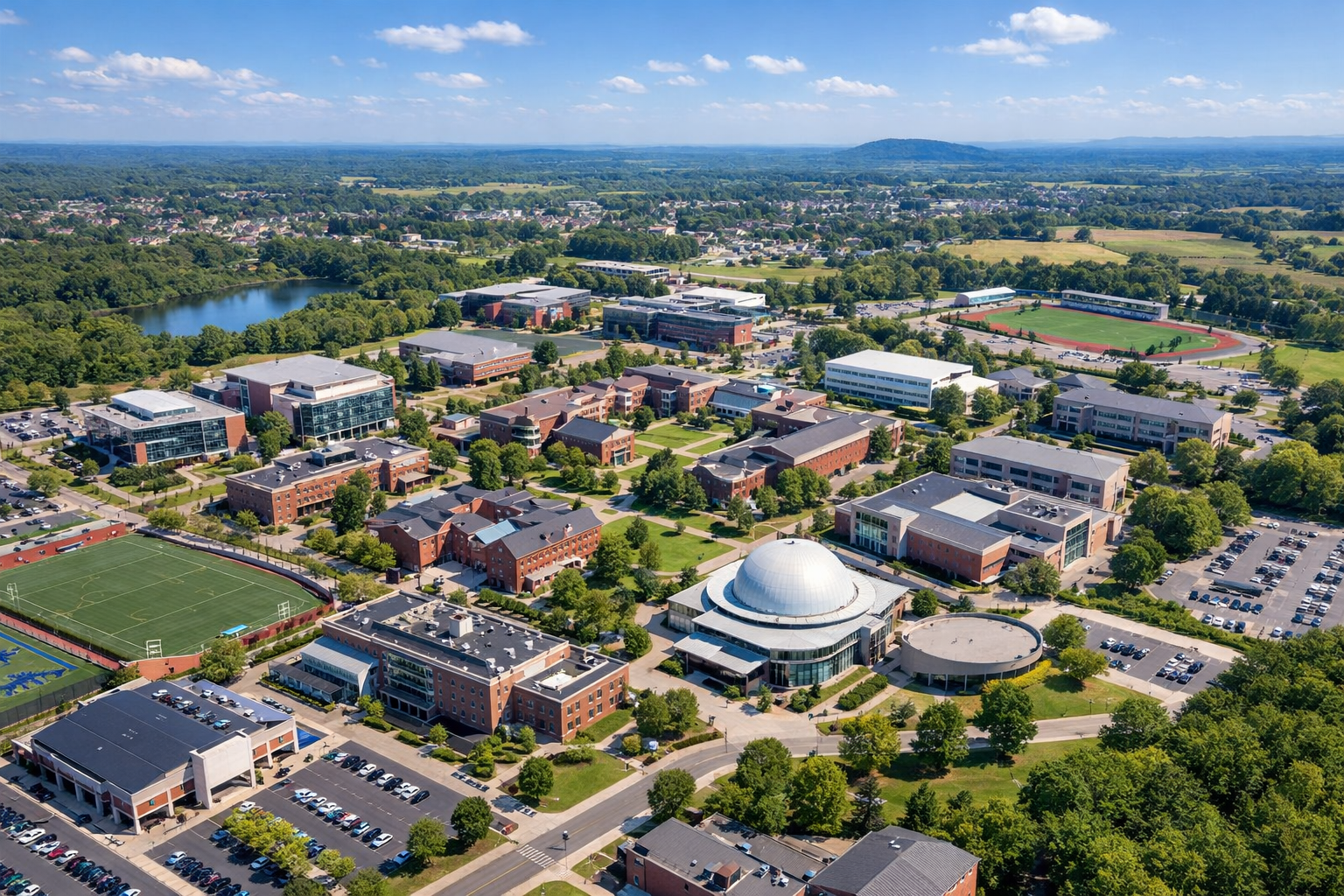
We give your team a clear view of which buildings and systems create the most exposure across the portfolio. A 1970s HVAC unit in a research building with no redundancy ranks differently than the same unit in a rarely used storage facility.
Campus portfolio
ranked watch assets
deferred maintenance defended
Capital priorities
Ranked requests leadership can defend at the board table.
We turn infrastructure urgency into a ranked spending plan that connects consequence, timing, and budget pressure in one view.
Storm season planning
Compare scenarios before weather forces the decision.
Model replace-now, defer, and monitor paths before the next severe-weather window forces reactive spending or emergency workarounds.
What a first campus pilot leaves you with.
The first engagement is built to hand your team a usable decision package. Not just a dashboard you forget about.
A risk baseline leadership can understand in one read
A ranked list of work, tied to consequence and timing
Board-ready reporting for funding, continuity, and governance
A method your team can run on the next building, without us
Campus facilities questions, answered.
Common questions from university facilities, capital planning, and finance teams evaluating Rivolq.
How does Rivolq help us prioritize our deferred maintenance backlog?
Rivolq ranks your backlog by failure risk and dollar exposure instead of by age or squeaky-wheel urgency. Each building and system gets a compound risk score built from condition, maintenance history, and dependencies, so facilities and finance can agree on what to fund first and why — across an entire campus, not one building at a time.
Can Rivolq help justify bond-funded or board-approved capital requests?
Yes. Rivolq produces board-ready capital requests that quantify what each project costs, what failure would cost if deferred, and how the spend is sequenced over time. Because every number traces back to documented condition data, the request holds up to trustees, bond auditors, and state reviewers.
Does Rivolq work across many buildings and a central plant?
It is built for multi-building portfolios. Campuses model every facility, the central utility plant, and the dependencies between them in one workspace, so a chilled-water or steam-distribution risk is visible across every building it serves rather than siloed in a single asset record.
Does Rivolq replace our current campus work-order system?
It does not have to. Rivolq includes a full CMMS for work orders and preventive maintenance, but it can also import your existing asset register and work history and layer risk scoring and capital planning on top of the system your team already uses day to day.
How long before a campus sees results from a pilot?
A scoped pilot generally runs about 90 days from the first building to a capital plan you can take to leadership. Most campuses start with one building or one system type to prove the workflow on real assets before rolling out across the portfolio.
Reading for campus facilities and finance conversations.
Pieces that help universities explain the cost of waiting, frame stronger spending requests, and understand what a first-facility pilot should leave behind.
Go deeper in the Help Center
Practical guides for campus-wide rollups, capital scenario planning, and a request intake process that works across departments.
See it through a campus decision lens.
We walk through your deferred maintenance questions, your storm exposure, and where your spending gets stuck. Then we show how we would frame the first facility.